 Skip to content
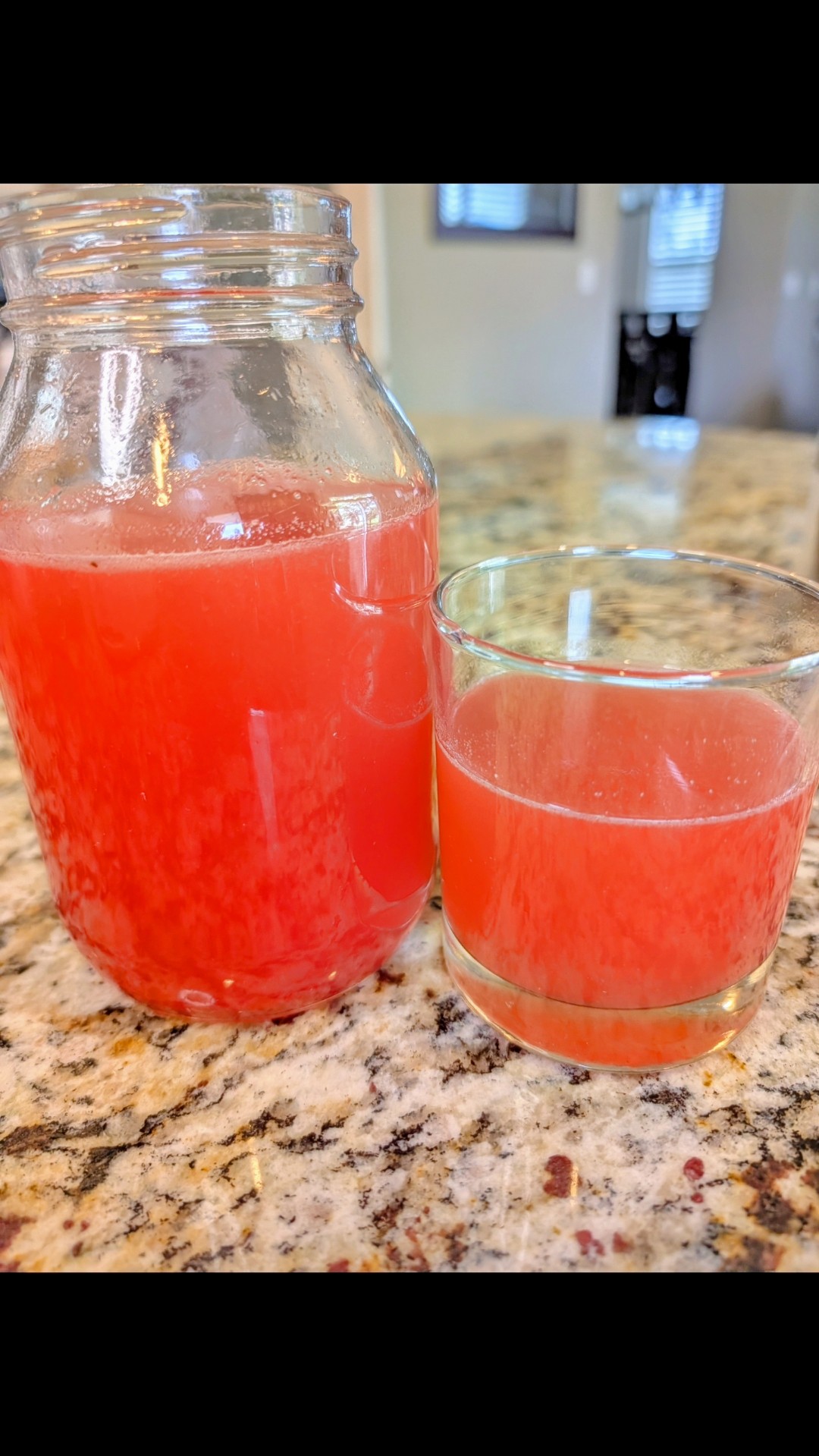
Five minutes, no dyes, no junk. The version my kids drink all summer.
by The Real Clean Living
www.therealcleanliving.com
When we started the GAPS protocol to heal my boys’ food allergies, I became the mom who read every single label. Every box, every bottle, every pouch that came into our house got flipped over and read. My oldest started reacting to foods before he was even one year old, and the doctors told me he would have to avoid his trigger foods forever. When someone hands you a sentence like that, you stop guessing about what goes into your kids.
Somewhere in that season of reading everything, I picked up one of those bright blue sports drinks my kids always begged for at the checkout line, turned the bottle over, and actually read it. Dyes. A pile of sugar. A list of ingredients I could not pronounce. That was the day store-bought Gatorade wouldn’t be in our house.
Here is the thing, though. My boys are older now and thriving, and they still play baseball. Every single night this week, in the kind of heat that soaks your shirt before the first inning. They still sweat, and they still need to replace what they lose. So instead of buying the neon stuff, I started making my own. It takes five minutes, and honestly, they like it better.
What Is Actually in Store-Bought Sports Drinks
I am not here to fear-monger. I am here to tell you to flip the bottle over, because most of us grab the sports drink on autopilot and never look. When I finally did, here is what I found sitting in a drink marketed straight to kids and athletes:
- Dyes. Artificial dyes like Blue 1, Yellow 5, and Red 40 that exist for one reason, and it is not hydration.
- Sugar. A single 20-ounce bottle can carry more than 30 grams of added sugar, most of it from high-fructose corn syrup.
- Fillers. Preservatives, gum thickeners, and flavor blends that read more like a chemistry set than a drink.
The frustrating part is that the actual point of a sports drink, replacing the minerals you sweat out, could be done with about four real ingredients. The dyes and the sugar load are just what makes it sell. So I make the part that matters and skip the rest.
Why Electrolytes Matter, and Why It Is Not Just Salt
Here is the piece most people miss. When your kid sweats through a double-header, they are not just losing water. They are losing minerals, and the two big ones are sodium and potassium. You need both, and they do different jobs.
Sodium
Sodium is the mineral that helps your body actually hold onto the water you are drinking instead of running it straight through. It manages fluid balance outside your cells and keeps nerve signals firing. This is why plain water on a brutally hot day can leave you feeling worse, not better. Without a little salt, the water does not stick.
Potassium
Potassium works on the inside of the cells and is the one people forget. It is heavily involved in muscle contractions, which is why a potassium shortfall can show up as those miserable leg cramps after a long, sweaty game. Sodium and potassium are a team. That is the whole reason an electrolyte drink beats a glass of water when someone has really been sweating.
This is exactly why store-bought Gatorade includes potassium chloride, and it is why I include it too. It is the second half of the equation. I just leave out the dyes.
A quick, honest note: I am a mom who reads labels, not a doctor or a dietitian. This is simply what works for my family. If your child has a health condition, talk to your pediatrician before changing what they drink.
My 5-Minute Homemade Gatorade Recipe
This makes about a quart, which is roughly what one of my boys goes through over a hot game. Double or triple it for a team cooler.
What you need
- 32 ounces filtered water
- 1/4 teaspoon Celtic sea salt
- 1/8 teaspoon potassium chloride
- 30 grams raw honey
- 2 tablespoons strawberry powder (freeze-dried strawberries blended into powder works beautifully)
- 1 tablespoon fresh lemon or lime juice (optional)
How to make it
Add the honey and strawberry powder first with a small splash of hot water and stir until it melts. This is the one step people skip, and it is the reason their drink ends up with honey and strawberry powder glued to the bottom of the jar. Once the honey is dissolved, add everything else, put the lid on, and shake. Refrigerate, and pour it over ice in a thermos when you are ready to head out the door. That is it.
Want it even simpler? Skip the strawberry powder and just flavor it with lemon or lime. You will likely need a touch more honey to balance out the tartness, so taste as you go.
A Few Things I Have Learned Making This
- Color it with real fruit. The freeze-dried strawberry powder is what gives it that pretty pink color and real fruit flavor without a drop of dye. Blend the freeze-dried berries in a dry blender until powdery.
- Melt the honey and strawberry powder first. Warm water melts honey and disolves the strawberry powder; cold water fights you.
- Serve it cold. I pour it over ice in an insulated thermos so it is cold and ready for the field. Cold matters when kids are the ones deciding whether to drink it.
- Adjust to taste. Sea salt and honey are not exact sciences. Taste it and nudge it to what your kids will actually drink. A drink they refuse does nothing.
Do Kids Actually Need Electrolytes, or Is This Overkill?
Real talk, because I would want a mom to tell me straight. For a normal afternoon of running around the backyard, plain water is completely fine. Your kid does not need a special drink to go to the park.
Where an electrolyte drink earns its place is the hard stuff: long, sweaty activity that runs past an hour, brutal heat, back-to-back games, or recovering from an illness with fever or vomiting. That is when they are losing minerals faster than water alone can put back. During our GAPS days, homemade electrolyte drinks were also my go-to when a stomach bug tore through the house.
So no, you do not need to hand your kid a sports drink every day. But when the heat is relentless and the games run late, this five-minute recipe beats the neon bottle every time. Progress over perfection, mama. This one is an easy win.
Homemade Gatorade FAQ
Where do I buy potassium chloride?
Potassium chloride is sold as a salt substitute in most grocery stores, usually right next to the regular salt, and it is inexpensive. A little goes a long way, so one container lasts a very long time. Use the small amount in the recipe and do not eyeball a heavy hand with it.
Can I make a big batch ahead of time?
Yes. It keeps in the fridge for several days in a sealed jar or pitcher. I often mix a quart the night before a game so it is cold and ready to pour over ice in the morning. Give it a shake before serving in case anything settled.
Can I use a different fruit instead of strawberry?
Absolutely. Freeze-dried raspberry, cherry, or mango powder all work. You can also skip the fruit powder entirely and flavor it with lemon or lime, adding a little extra honey to balance the tartness. The salt and potassium are the parts doing the real work, so play with the flavor.
Is this okay for little kids?
For everyday play, little ones do just fine on plain water and food. I reach for this when mine are sweating hard for a long stretch or bouncing back from an illness. If you have a toddler or a child with a health condition, run it by your pediatrician first, and always adjust the salt to something they will actually drink.
If you make this for your crew, I would love to hear how it goes. Tag me, leave a comment, or send it to the mom in your life who is single-handedly hydrating a dugout this summer. Small swaps like this one are exactly how clean living actually happens, one bottle at a time.
This post contains affiliate links. If you purchase through my links I may earn a small commission at no extra cost to you.
Ready to clean up your kitchen, bathroom, and cleaning cabinet, without the overwhelm? Our Clean Living Bundle gives you the cheat sheets and week-by-week guide to swap out the worst offenders at your own pace. No guilt, no perfection required, just real progress. [Get the Bundle]
For more real food and clean living resources, visit www.therealcleanliving.com
Disclaimer: This article is for informational purposes only and is not intended to diagnose, treat, cure, or prevent any disease. Always consult with your healthcare provider before making significant changes to your diet, especially if you have underlying health conditions. This article may contain affiliate links to products we recommend.
Real Food. Clean Products. No Confusion.
The Real Clean Living
www.therealcleanliving.com