 Skip to content
Ingredients
-
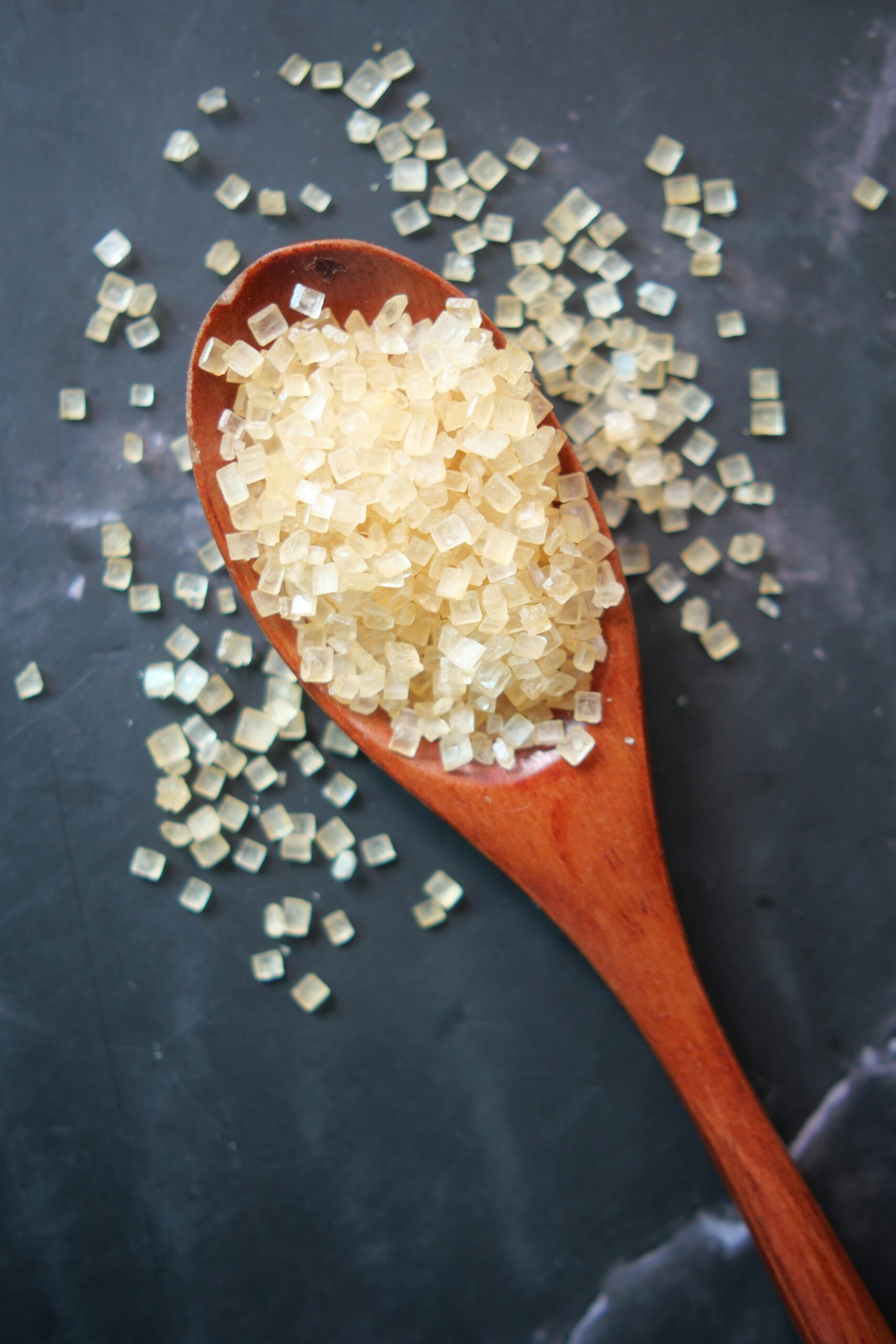
56 Names for Sugar: How Food Companies Hide It on Labels
There are 56 different names for sugar hiding on ingredient labels. Once you learn the four rules to spot them, you will never be fooled by a “no added sugar” label again.
-

Einkorn Wheat vs. Regular Wheat:Why It’s the Only Flour in Our Kitchen
Einkorn is the only flour my kids have ever had — we’ve never used regular wheat. Here’s why einkorn’s non-hybridized, glyphosate-free, easier-to-digest grain is the only flour in our kitchen, and why we’ll never change that.
-
Seed Oils: What They Are and How to Spot Them
You’ve been cooking with them your whole life. Here’s why seed oils are fueling inflammation in your family — and exactly what to swap them out with.
-

Pasture-Raised vs Free-Range vs Cage-Free: What the Labels Actually Mean
Cage-free, free-range, pasture-raised — they all sound like they mean something. Most don’t. Here’s what each egg label actually means and the only one worth paying extra for.
-
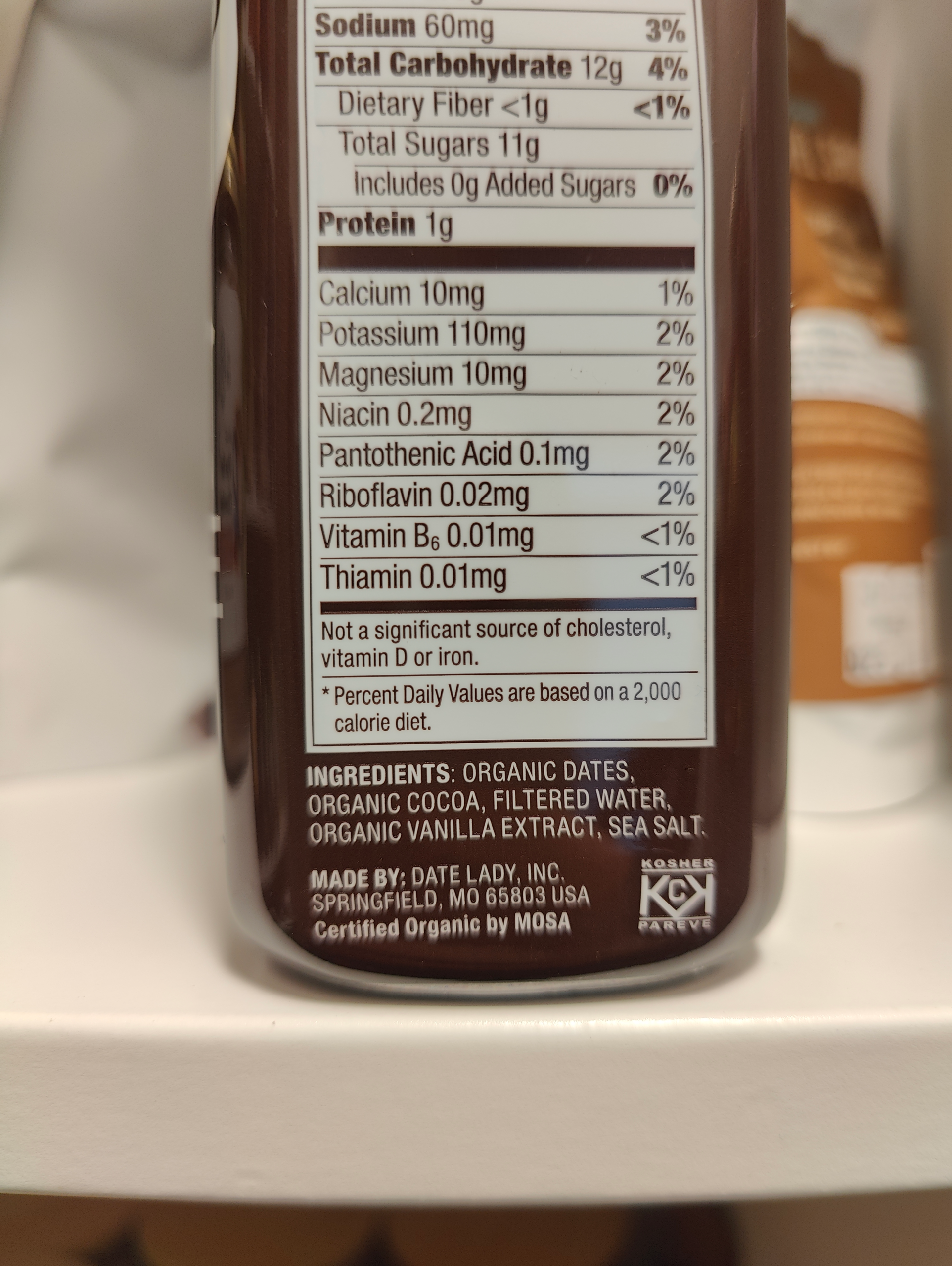
How to Read a Nutrition Label the Right Way
The front of the package is an advertisement. The back is the truth. Here’s exactly what to look for on a nutrition label — and what to put back on the shelf.
-
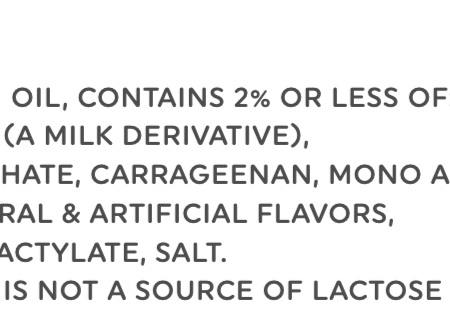
What Is Carrageenan and Why You Should Avoid It
Carrageenan is a common thickener hiding in your almond milk, yogurt, and coffee creamer — and research shows it triggers gut inflammation even in small amounts. Here’s where it hides and what to use instead.
-
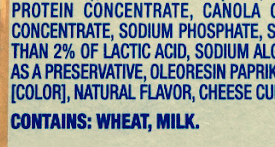
What “Natural Flavors” Actually Means on a Label
“Natural flavors” sounds harmless — but the FDA lets companies hide dozens of undisclosed chemicals, solvents, and preservatives behind those two words. Here’s what’s actually in them and what to look for instead.
-

Ingredients That Are Banned in Europe But Still Legal in the US
Last year I ate gluten in London with zero issues. That trip confirmed everything — it’s not the food, it’s the chemicals.
-
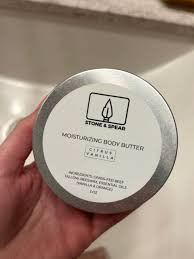
Why I Ditched Vaseline for Beef Tallow (And Never Looked Back)
I ditched Vaseline years ago and never looked back. Here’s what I use instead and why it’s actually better for your skin.