 Skip to content
THE REAL CLEAN LIVING
www.therealcleanliving.com
This post contains affiliate links. If you purchase through my links I may earn a small commission at no extra cost to you.
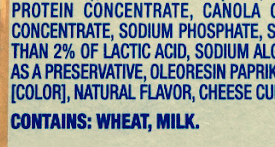
If there’s one ingredient that makes me want to flip a table in the grocery store, it’s “natural flavors.” It sounds so harmless. So clean. Like somebody squeezed a real strawberry into your yogurt and called it a day. But that’s exactly what the food industry wants you to think — and once you learn what “natural flavors” actually means under FDA regulations, you’ll realize it’s one of the biggest scams in the entire food system.
I first started digging into this during GAPS. I was reading every single ingredient on every single product that came into our house, and I kept seeing “natural flavors” on things I thought were clean — sparkling water, organic snacks, even supplements. The more I researched, the more I realized this term is basically a blank check for food companies to add whatever they want without ever telling you what it actually is.
So What Are “Natural Flavors” Actually?
According to the FDA, a “natural flavor” is any substance extracted, distilled, or derived from a plant or animal source — fruit, vegetables, bark, herbs, meat, dairy, eggs, or fermentation products. Sounds fine so far.
Here’s where it falls apart. The FDA says the source has to come from nature. It says absolutely nothing about what happens to it after that. The flavoring can be chemically modified, combined with synthetic solvents, mixed with preservatives, and processed in a lab — and still legally be called “natural.” That word is doing a LOT of heavy lifting.
A single “natural flavor” listed on a label can actually contain dozens of chemical compounds — solvents, emulsifiers, preservatives like BHA, propylene glycol (yes, that’s also in antifreeze), and other additives. None of which have to be disclosed. All of it hides behind two words that sound like they came from a farmer’s market.
Why “Natural Flavors” Is One of the Most Misleading Terms in Food
Here’s the kicker: the only legal difference between “natural flavors” and “artificial flavors” is the starting point. Natural starts from a plant or animal. Artificial starts from a synthetic chemical. But by the time a flavor chemist is done processing a “natural” flavor in a lab, the final product can be chemically identical to the artificial version. Same compounds. Same additives. Same processing. Just a prettier origin story for the label.
People see “natural” and their brain says safe. That’s the whole point. The food industry spends billions making sure that word does exactly what they need it to do: make you stop asking questions.
What’s Actually Hiding Inside “Natural Flavors”
Here’s what food companies aren’t required to tell you when they put “natural flavors” on the label:
- Propylene glycol — a solvent used to carry flavors. Also found in antifreeze and e-cigarette liquid. Delicious.
- BHA and BHT — synthetic preservatives added to the flavoring. Both are linked to endocrine disruption and restricted in other countries.
- MSG — can legally be included in a natural flavor blend without being listed separately. This is one of the sneakiest ways MSG hides on labels.
- Castoreum — a secretion from beaver glands used as a “natural” vanilla or raspberry flavor. I wish I was making this up.
- Soy and corn derivatives — potential allergens and GMO ingredients used as carriers that don’t have to be disclosed when they’re part of a flavoring compound.
None of this appears on the label. It all gets bundled into two innocent words. And the FDA says that’s fine.
Where You’ll Find Them (Spoiler: Everywhere)
“Natural flavors” is one of the most common ingredients in the American food supply. You’ll find it in sparkling water, yogurt, cereal, organic snacks, protein bars, tea, coffee creamers, baby food, condiments, and even supplements. Products labeled “organic” or “clean” can still contain them. The USDA organic seal allows natural flavors, and the same transparency problem applies — you still have zero idea what’s actually in them.
Flavor companies like Givaudan, IFF, and Firmenich — companies most people have never heard of — design these flavors in labs specifically to trigger the reward centers in your brain. They engineer flavors that make you want more. That’s not a conspiracy theory. That’s literally their business model.
What to Look for Instead
You can’t avoid natural flavors completely unless you grow everything yourself. But you can drastically cut your exposure:
- Read every label — even on “clean” products. If “natural flavors” is there, ask yourself: does this product need lab flavoring, or should the actual food be providing the flavor?
- Choose products that name their ingredients — look for “flavored with real lemon juice” or the actual spice listed. If a company is proud of what’s in their product, they’ll tell you.
- Make your own — flavor your water with real fruit. Make dressings with olive oil and vinegar. Buy plain yogurt and add actual berries.
- Stick to one-ingredient foods — an apple doesn’t need natural flavors. A chicken breast doesn’t need natural flavors. Real food doesn’t need a flavor chemist.
The Bigger Picture
The fact that “natural flavors” can contain dozens of undisclosed chemicals and still be called “natural” tells you everything about how the food industry operates in this country. They’re not technically lying. They’re just not telling you the whole truth. And the FDA made it perfectly legal.
Nobody is coming to protect us from this. Not the FDA, not the food companies. The only person who’s going to protect your family is you — and it starts with understanding what these terms actually mean.
Your Practical Tip
Go to your pantry right now and count how many products have “natural flavors” in the ingredient list. You’re going to be shocked. Then next time you’re at the store, look for the version without it — or just grab the real thing instead. Squeeze a real lemon in your water. Add real vanilla extract. Use actual spices. One swap at a time. That’s all it takes.
This article is for informational purposes only and is not intended as medical advice. Always consult with your healthcare provider before starting any supplement, especially for children or if you are pregnant, nursing, or taking medications. The Real Clean Living is not responsible for any actions taken based on the information provided.
Ready to clean up your kitchen, bathroom, and cleaning cabinet — without the overwhelm? Our Clean Living Bundle gives you the cheat sheets and week-by-week guide to swap out the worst offenders at your own pace. No guilt, no perfection required — just real progress. [Get the Bundle]
Real Food. Clean Products. No Confusion.