 Skip to content
THE REAL CLEAN LIVING
www.therealcleanliving.com
This post contains affiliate links. If you purchase through my links I may earn a small commission at no extra cost to you.
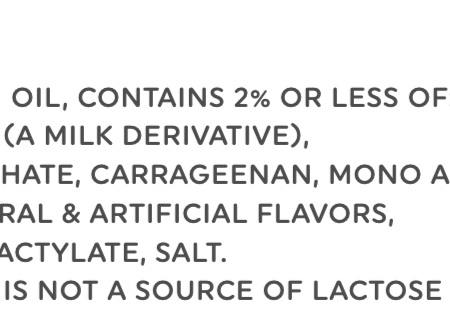
I found this ingredient hiding in a carton of organic almond milk and thought, what even is that? It was an organic product. It had to be fine, right? Wrong. Once I started digging into carrageenan, I realized it was one of those sneaky ingredients that shows up in products you’d never suspect — including the ones that market themselves as clean, organic, and healthy.
This isn’t just an issue for people on healing diets or dealing with gut problems. This is an ingredient that nobody should be eating. Period.
What Is Carrageenan?
Carrageenan is a thickener and stabilizer extracted from red seaweed. The food industry uses it to improve texture, prevent separation, and make products feel creamier. It sounds natural because it comes from seaweed. But the way it’s processed and what it does to your body are two very different things.
There are two types: food-grade carrageenan and degraded carrageenan (also called poligeenan). Poligeenan is so inflammatory that scientists literally use it in labs to create inflammation in test animals on purpose. The food industry will tell you food-grade is different and safe. But research shows that even food-grade carrageenan can break down into the harmful version during digestion — especially in the acidic environment of your stomach. So that “safe” version? It might not stay safe once you eat it.
Where Carrageenan Hides in Your Kitchen
This isn’t some rare ingredient in one random product. It’s in your fridge right now, probably in multiple things. Carrageenan loves to hide in products that look healthy:
- Non-dairy milks — almond milk, oat milk, coconut milk, soy milk. This is the #1 hiding spot.
- Coffee creamers — both dairy and non-dairy
- Yogurt — especially flavored and low-fat varieties
- Ice cream and frozen desserts
- Cottage cheese and sour cream
- Deli meats
- Infant formula — yes, some baby formulas have it. Let that sink in.
- Protein shakes and nutritional drinks
- Chocolate milk
The pattern: it’s in anything that needs to feel creamy, thick, or well-blended. If a product has a smooth, velvety texture and it’s not coming from real cream or real fat, there’s a good chance carrageenan is the reason.
What Carrageenan Does to Your Body
Here’s the part that should make you angry. You don’t have to be on a special diet or have a diagnosed condition for carrageenan to mess with you. This affects everyone.
- Triggers intestinal inflammation — even in small amounts. This is especially concerning for anyone with IBS, Crohn’s, colitis, or any inflammatory bowel condition, but inflammation is bad news for everyone’s gut.
- Damages the intestinal lining — increases intestinal permeability, which is what “leaky gut” is. Even if you’ve never heard of leaky gut, trust me — you don’t want holes in your intestinal wall.
- Disrupts your gut bacteria — negatively affects the beneficial bacteria that are the foundation of your immune system and digestion.
- May mess with blood sugar — some studies link it to insulin resistance and glucose intolerance.
When I found this ingredient hiding in products labeled “organic” in my own fridge? I was done. Organic does not automatically mean clean. You still have to flip the product over and read the real ingredients.
What to Look for on Labels
Good news: carrageenan is easy to spot. It’s always listed as “carrageenan” on the ingredient label — no sneaky aliases. Just flip the product over and scan the list.
Better thickener alternatives to look for:
- Gellan gum — made through fermentation, generally better tolerated
- Guar gum — from guar beans, widely used, much safer
- Sunflower lecithin — natural emulsifier without the gut inflammation
- Acacia gum — plant-derived, actually has prebiotic properties
Many brands have already reformulated because enough consumers demanded it. The carrageenan-free options are out there. My go-to’s: MALK for almond milk, and Stonyfield or Maple Hill for yogurt.
Your Practical Tip
Go to your fridge right now and check three things: your milk alternative, your coffee creamer, and your yogurt. If carrageenan is on any of those labels, swap it this week. That’s it. One trip to the store, three products, done. Your body doesn’t need this ingredient — and it’s one of the easiest to cut out.
This article is for informational purposes only and is not intended as medical advice. Always consult with your healthcare provider before starting any supplement, especially for children or if you are pregnant, nursing, or taking medications. The Real Clean Living is not responsible for any actions taken based on the information provided.
Ready to clean up your kitchen, bathroom, and cleaning cabinet — without the overwhelm? Our Clean Living Bundle gives you the cheat sheets and week-by-week guide to swap out the worst offenders at your own pace. No guilt, no perfection required — just real progress. [Get the Bundle]
Real Food. Clean Products. No Confusion.