 Skip to content
www.therealcleanliving.com
This post contains affiliate links. If you purchase through my links I may earn a small commission at no extra cost to you.
Seed Oils: What They Are and How to Spot Them
My Wake-Up Call
When we started the GAPS protocol for our kids’ food allergies, I had to read every single ingredient on every single product that came into our house. That’s when I first really looked at what was in our cooking oils — and I did not like what I found.
Before GAPS, I grabbed whatever oil was cheapest. Vegetable oil in the bulk section. Canola oil because the label said “heart healthy.” If it was on the shelf, I assumed it was fine. Nobody ever told me to question it.
But once I started flipping labels — really reading them — I could not unsee it. These oils were in everything. The crackers I thought were healthy. The salad dressings. The snacks I was putting in the pantry for my kids. Seed oils were in all of it.
So I did what I always do — I researched. And what I learned changed how I feed my family. Here’s what you need to know.
What Are Seed Oils, Exactly?
Seed oils are extracted from seeds and processed with heat, chemicals, and heavy industrial methods. They are cheap to make at scale, which is why the food industry loves them. You have probably heard them called the Hateful 8:
- Canola oil
- Vegetable oil
- Soybean oil
- Sunflower oil
- Corn oil
- Cottonseed oil
- Grapeseed oil
- Safflower oil
The processing alone is a red flag. These oils need to be extracted using solvents (like hexane), then bleached, deodorized, and refined at high temperatures to even be usable. It is not a natural food — it is a manufactured product.
Why Are They in Everything?
One word: profit.
Seed oils are dirt cheap to produce compared to other fats. A gallon of canola oil costs pennies. They are shelf-stable, flavorless, and work in basically any processed food. The food industry got addicted to them decades ago.
So they ended up everywhere:
- Chips and crackers
- Salad dressings and condiments
- Baked goods and bread
- Baby formula
- Healthy snack bars and granola
- Restaurant cooking oil
- Frozen meals and pre-made foods
Even things labeled organic or natural are loaded with seed oils. The label does not mean what we think it means.
Why Seed Oils Are a Problem
Industrial Processing Is a Nightmare
These oils are extracted using hexane (a chemical solvent), then bleached and deodorized at high temperatures. The process destroys the seed natural compounds and leaves residue behind. You are not eating something that nature made you are eating a processed chemical product.
The Omega-6 Overload
Our bodies need a healthy ratio of omega-6 to omega-3 fatty acids (ideally around 1:1). But the average American diet is closer to 20:1 omega-6 to omega-3, and seed oils are a huge reason why.
Too much omega-6 without balancing omega-3 creates chronic inflammation in your body. And inflammation is linked to just about every health problem you can think of.
Oxidation and Rancidity
Seed oils are unstable. They oxidize easily, especially when heated (which is how restaurants cook with them). When an oil oxidizes, it becomes rancid and you are eating damaged, inflammatory compounds.
Chronic Inflammation
This is the big one. All of the above adds up to chronic, systemic inflammation. People dealing with this often report:
- Heart problems and high cholesterol
- Autoimmune issues
- Digestive problems and leaky gut
- Brain fog and poor memory
- Skin problems like eczema and acne
I am not saying seed oils cause all of these. But I am saying that inflammation is the root of most chronic disease and ditching seed oils is one of the easiest ways to reduce it.
How to Spot Them on a Label
| What to Look For on the Label Look for these names in your ingredient list: Canola oil Vegetable oil Soybean oil Sunflower oil Corn oil Cottonseed oil Grapeseed oil Safflower oil Vegetable oil blend High oleic versions of the above Pro tip: If the label just says vegetable oil, that is almost always soybean oil. Manufacturers hide it that way. One more thing: Natural flavors does not mean seed-oil-free. Always read the full ingredient list. |
Want This as a Printable?
I made the Seed Oil Spotter Cheat Sheet for exactly this reason — a 1-page
printable you can stick on your pantry door or save to your camera roll for
grocery runs. It lists the 8 oils to skip, the 7 clean fats to grab instead,
and the label tricks manufacturers use to hide seed oils in “healthy” products.
→ Grab the Seed Oil Spotter Cheat Sheet on Etsy — $4.99
What to Cook With Instead
The good news: there are way better options. These are the fats I use every single day:
Avocado Oil
High smoke point (around 520 degrees F), so it is perfect for cooking, sauteing, and frying. It is stable when heated and has a clean, mild flavor. This is my go-to swap.
Extra Virgin Olive Oil
I do not heat olive oil — period. Heat damages the delicate compounds that make it so beneficial in the first place. I use it for salad dressings, drizzling over finished dishes, and dipping. It is rich in antioxidants and polyphenols, but only if you keep it raw. Buy good quality — it matters.
Coconut Oil
High smoke point, great for baking and medium-heat cooking. Adds a mild coconut flavor (though you can get unflavored versions). Solid at room temperature, which some people prefer for certain recipes.
Grass-Fed Butter or Ghee
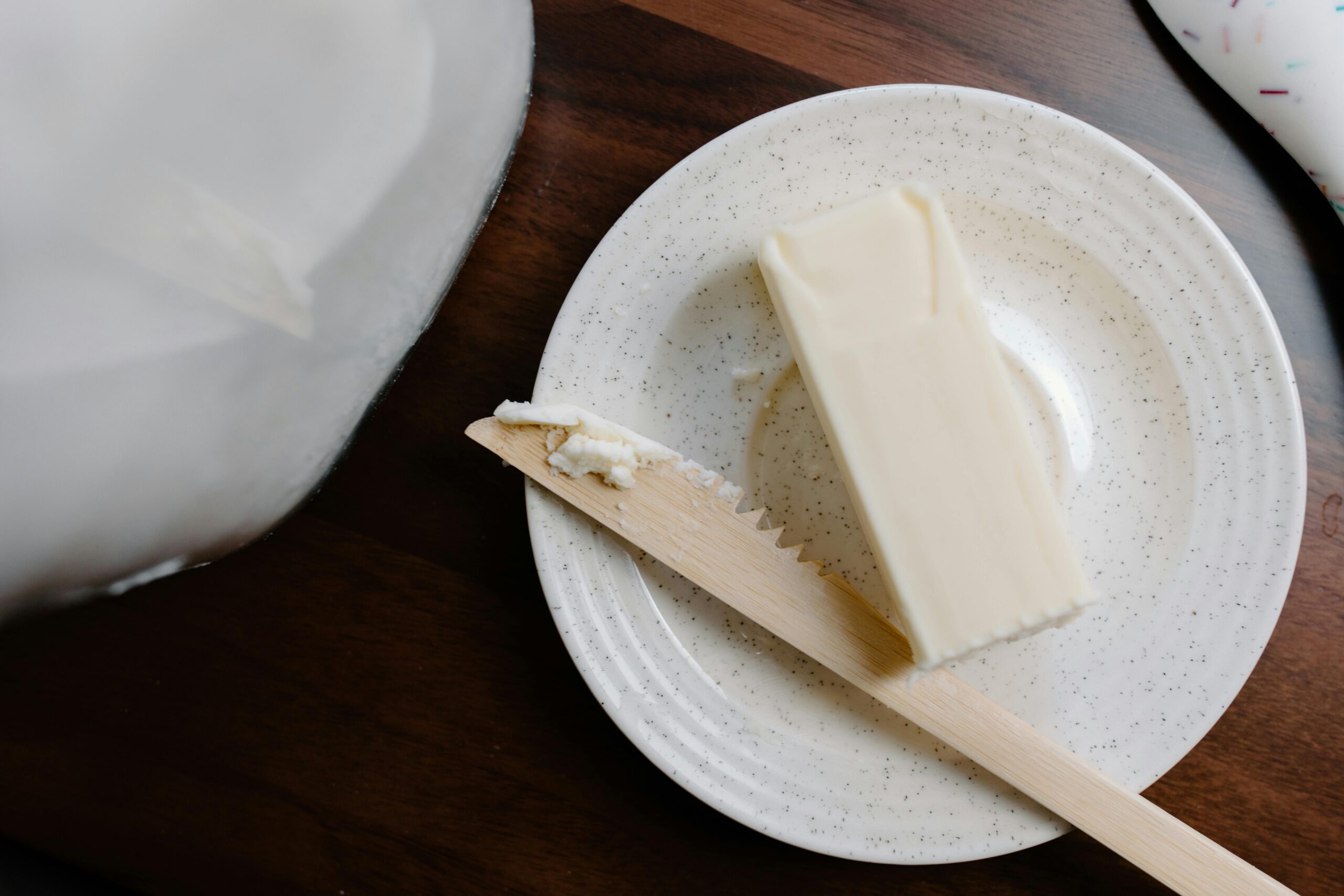
Do not be scared of butter. Grass-fed butter has a better omega ratio and more fat-soluble vitamins. Ghee (clarified butter) has an even higher smoke point. Use it for sauteing, baking, and cooking eggs.
Beef Tallow
Yes, really. Your grandma fried everything in tallow, and she was onto something. It is shelf-stable, has a high smoke point, and tastes amazing. You can render it yourself or buy it from quality meat suppliers.
The Simple Swap List
Here is exactly what I swap out:
| Instead of This | Use This Instead |
| Canola oil | Avocado oil |
| Vegetable oil | Beef tallow or coconut oil |
| Soybean oil | Avocado oil or coconut oil |
| Sunflower oil | Grass-fed butter or ghee |
| Corn oil | Coconut oil |
| Margarine | Grass-fed butter |
| Vegetable oil blend spray | Avocado oil spray |
The Bottom Line
You do not have to be perfect. You do not have to overhaul your entire kitchen tomorrow. Just start reading labels. Start noticing where seed oils are hiding.
Every swap you make is a win. Every time you reach for butter instead of margarine, or avocado oil instead of vegetable oil, you are reducing the inflammation in your body. You are choosing food over a processed product.
Your body will thank you. Your energy will improve. Your skin will clear up. Your digestion will get better. These are not miracles — they are just what happens when you stop feeding yourself inflammatory seed oils.
Want more swaps and clean living tips. Head over to www.therealcleanliving.com. I have got a whole library of resources to help you navigate this stuff.
Want the swap list and label tips as a printable you can actually use?
The Seed Oil Spotter Cheat Sheet puts the 8 oils to skip, the clean fats to
swap in, and my pro label-reading tips on one page. Stick it on your pantry
door. $4.99 on Etsy.
This article is for informational purposes only and is not intended as medical advice. Always consult with your healthcare provider before starting any supplement, especially for children or if you are pregnant, nursing, or taking medications. The Real Clean Living is not responsible for any actions taken based on the information provided.
Ready to clean up your kitchen, bathroom, and cleaning cabinet — without the overwhelm? Our Clean Living Bundle gives you the cheat sheets and week-by-week guide to swap out the worst offenders at your own pace. No guilt, no perfection required — just real progress. [Get the Bundle]
Real Food. Clean Products. No Confusion.