 Skip to content
THE REAL CLEAN LIVING
www.therealcleanliving.com
This post contains affiliate links. If you purchase through my links I may earn a small commission at no extra cost to you.
I used to think I was reading labels. I’d glance at the calories, maybe check the sugar, and toss it in the cart. I thought I was making decent choices. Then I actually learned what to look for — and realized I’d been played by food marketing for years.
Here’s the truth: the front of the package is an advertisement. It’s designed to make you feel good about buying the product. The real story is on the back — and most of us have never been taught how to read it properly.
Once you know what to look for, label reading takes about ten seconds. And it will completely change the way you shop.
What to Look at First (Hint: It’s Not the Calories)
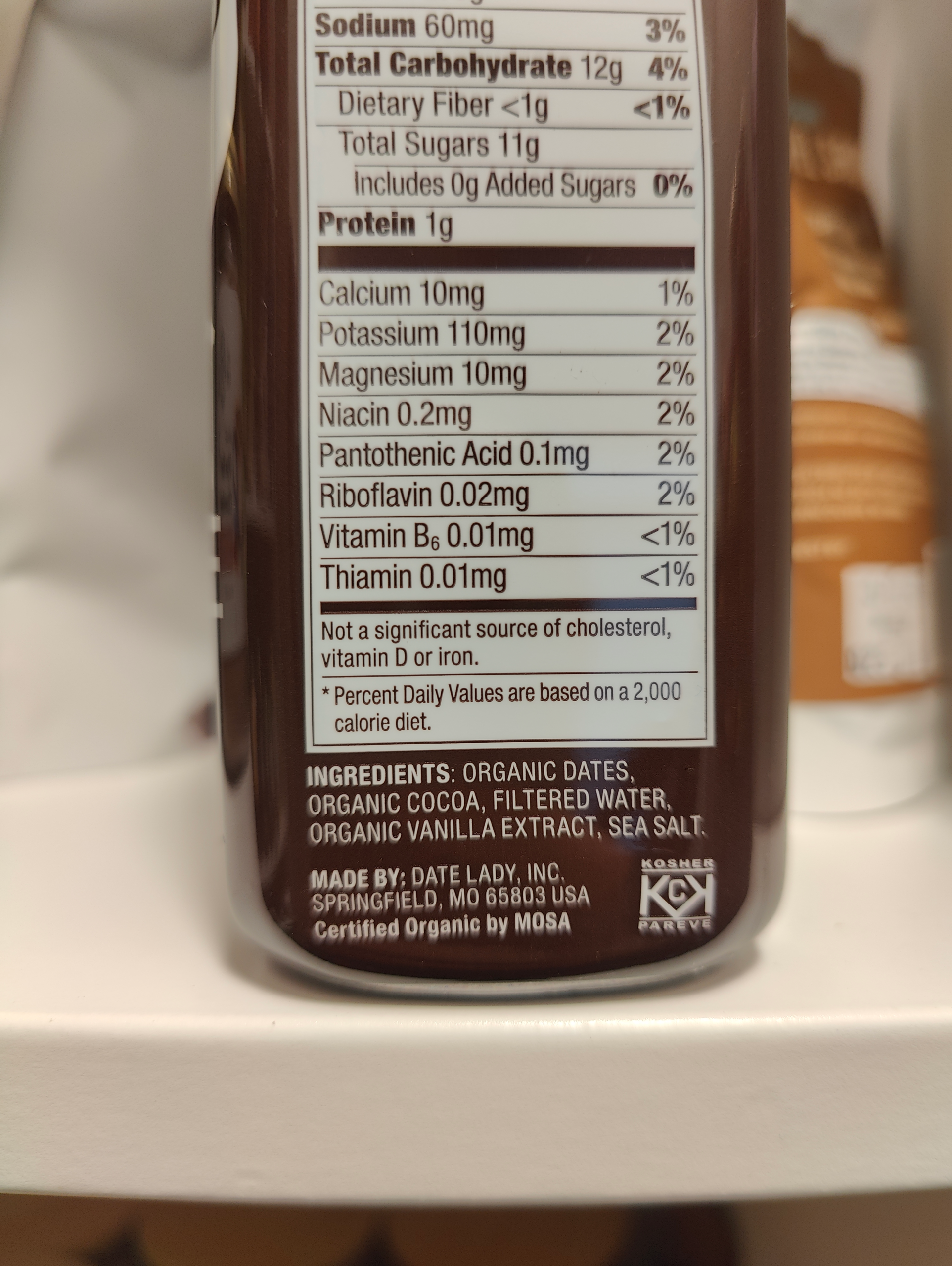
Flip the product over. Skip the Nutrition Facts panel for now. Go straight to the ingredient list. That’s where the real information lives.
Ingredients are listed in order of quantity — whatever there’s the most of comes first, and it goes down from there. So if sugar or a seed oil is in the first three ingredients, that tells you exactly what that product is mostly made of, no matter what the front of the package says.
My rule: if the ingredient list is longer than a few lines or has words you can’t pronounce, put it back. Real food has short ingredient lists. Peanut butter should be peanuts and salt. Bread shouldn’t need 25 ingredients.
Ingredients vs. Nutrition Facts: Know the Difference
The Nutrition Facts panel tells you the numbers — calories, fat, protein, carbs, sodium. It’s useful, but it doesn’t tell you the quality of what you’re eating. A product can look great on the Nutrition Facts panel and still be loaded with garbage ingredients.
The ingredient list tells you what the food actually is. That’s the part that matters most. A granola bar with 10 grams of protein sounds great until you see it’s held together with soybean oil, “natural flavors,” and three different types of sugar.
Check the ingredients first. If those pass, then look at the Nutrition Facts for things like added sugars and sodium. Ingredients first, numbers second. Always.
Ingredients to Avoid
These are the big ones I watch for. If any of these show up on the label, the product goes back on the shelf.
Seed Oils
Soybean oil, canola oil, corn oil, sunflower oil, safflower oil, cottonseed oil, grapeseed oil, and rice bran oil. These are highly processed, inflammatory oils that show up in almost everything — crackers, chips, salad dressings, bread, even products that market themselves as healthy. If a product has a seed oil, I don’t buy it. Look for products made with olive oil, avocado oil, coconut oil, or butter instead.
Artificial Dyes
Red 40, Yellow 5, Yellow 6, Blue 1 — these are petroleum-derived colorings that have been linked to behavioral issues in kids and are banned or require warning labels in other countries. They’re in candy, cereal, sports drinks, yogurt, and even medicines. If you see a color followed by a number on the label, skip it.
Natural Flavors
This sounds harmless, but “natural flavors” is an umbrella term that can hide dozens of undisclosed chemicals, solvents, and preservatives. The FDA doesn’t require companies to tell you what’s actually in them. If a product needs lab-created flavoring to taste good, I’d rather just eat the real thing.
Carrageenan
A seaweed-derived thickener that triggers intestinal inflammation and damages the gut lining. It’s hiding in almond milk, coffee creamer, yogurt, ice cream, and even baby formula. The organic label won’t save you — you have to check the ingredient list.
How to Spot Hidden Sugars
Sugar has over 50 different names on food labels. The food industry knows people are watching for “sugar” on the ingredient list, so they use alternatives that most people don’t recognize. Here are some of the most common ones to watch for:
- High fructose corn syrup
- Dextrose, maltose, sucrose (anything ending in -ose)
- Cane juice or evaporated cane juice
- Brown rice syrup
- Maltodextrin
- Agave nectar
- Fruit juice concentrate
Here’s the sneaky trick: some products will use three or four different types of sugar so that none of them end up as the first ingredient. The total sugar content is high, but each individual type is listed further down the list. That’s why the Nutrition Facts panel is helpful here — check the “Added Sugars” line. It tells you how much sugar was added during processing versus what’s naturally in the food.
A Simple Rule of Thumb for Shopping
Here’s my rule when I’m at the store: if I can’t recognize every ingredient on the label as actual food, I don’t buy it. If the list is longer than five or six ingredients for something simple, I put it back. If I have to Google an ingredient to find out what it is, my family doesn’t need to eat it.
Buy the outside of the store first — produce, meat, eggs, dairy. The inner aisles are where most of the processed stuff lives. When you do go down those aisles, flip the product over every single time. The front of the package is trying to sell you something. The back is where the truth is.
And don’t try to overhaul everything in one trip. Pick one product you buy every week and find a cleaner version. Next week, pick another one. That’s how you do this without losing your mind.
The Bottom Line
Reading labels isn’t complicated once you know what you’re looking for. Ingredients first, numbers second. Avoid the big offenders — seed oils, artificial dyes, natural flavors, carrageenan, and hidden sugars. Keep the ingredient lists short and recognizable. And always, always flip the product over.
The front of the package is marketing. The back is the truth. Once you start reading, you can’t unread it — and that’s the whole point.
This article is for informational purposes only and is not intended as medical advice. Always consult with your healthcare provider before starting any supplement, especially for children or if you are pregnant, nursing, or taking medications. The Real Clean Living is not responsible for any actions taken based on the information provided.
Ready to clean up your kitchen, bathroom, and cleaning cabinet — without the overwhelm? Our Clean Living Bundle gives you the cheat sheets and week-by-week guide to swap out the worst offenders at your own pace. No guilt, no perfection required — just real progress. [Get the Bundle]
Real Food. Clean Products. No Confusion.