 Skip to content
THE REAL CLEAN LIVING
www.therealcleanliving.com
This post contains affiliate links. If you purchase through my links I may earn a small commission at no extra cost to you.
I learned this the hard way — through the GAPS diet. When my kids had serious gut issues, we went through 14 months on stage 2 of GAPS, and during that time I had to learn every single ingredient inside and out. What was real food, what wasn’t, what was healing, and what was making things worse. I read every label on everything. And what I realized pretty quickly was that the healthiest place to find food in the grocery store was the outer aisles.
The inner aisles? Full of ingredients I couldn’t pronounce. Products with so many ingredients I stopped reading — because if it wasn’t real food, we didn’t eat it. I wouldn’t even call most of it food. Fruit, vegetables, meat, potatoes, squash — all the things that actually nourished our family lived on the outside of the store. Everything in the middle was a gamble.
That’s how the outer aisle rule became the foundation of how we shop. And it’s the simplest piece of advice I give to any mom who’s just starting to clean up her family’s food and feels overwhelmed: stay on the outside of the store. That’s where the real food lives.
What Lives on the Outer Aisles
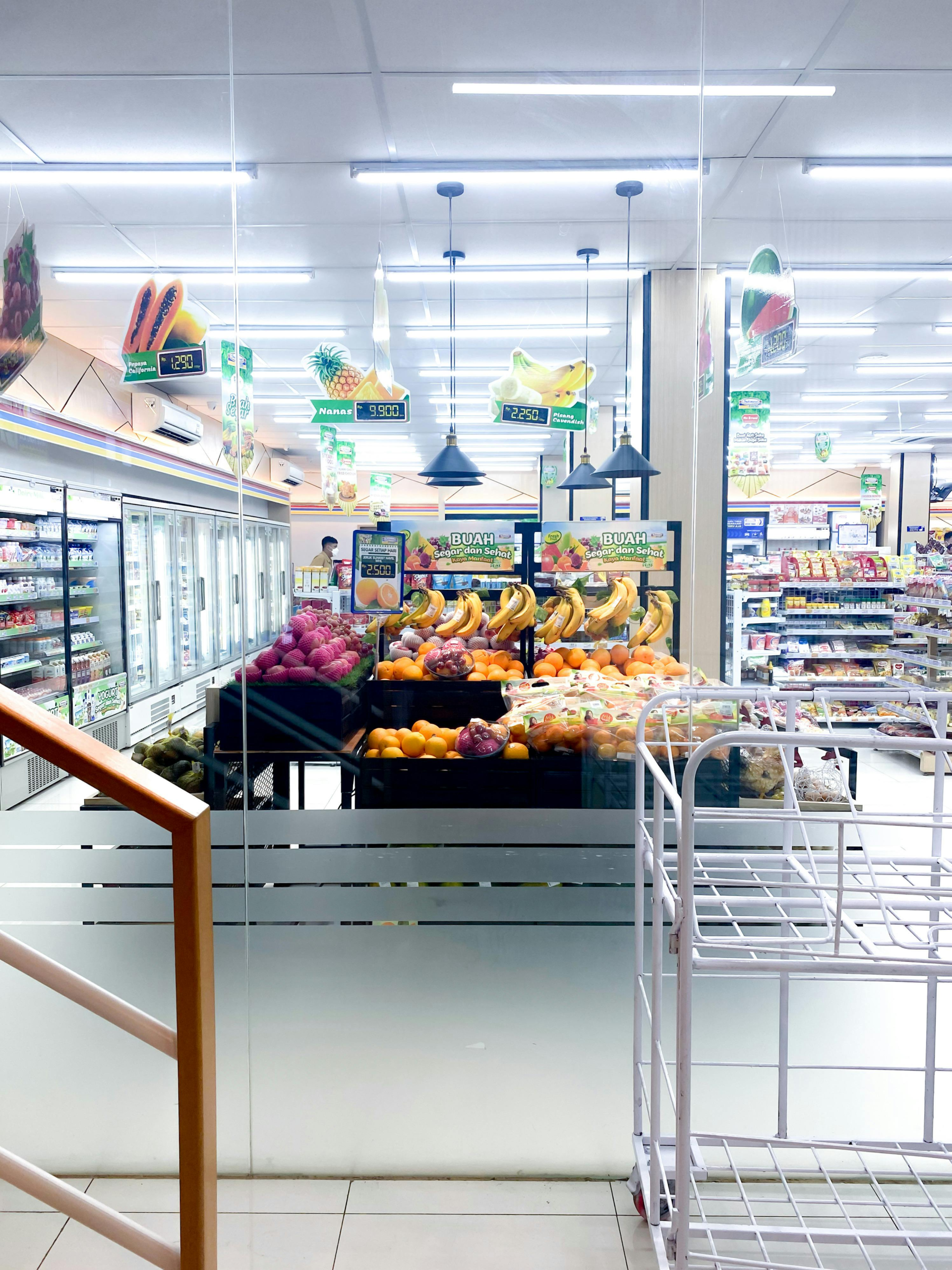
Walk into just about any grocery store and the layout is basically the same. The perimeter is where they keep the food that actually spoils — because it’s actually real.
- Produce — fruits, vegetables, herbs. The stuff that comes from the ground, not a factory.
- Meat and seafood — chicken, beef, pork, fish. Ideally pasture-raised, grass-fed, or wild-caught when your budget allows.
- Dairy and eggs — milk, butter, cheese, yogurt, eggs. Look for organic, pasture-raised, or at minimum rBST-free.
- Bakery — some stores have fresh-baked bread with simple ingredient lists here. Still read the label, but you’re more likely to find real bread on the perimeter than in the bread aisle.
- Deli — not all deli items are clean, but the fresh-prepared options are usually simpler than their packaged counterparts in the inner aisles.
Notice the pattern? This is all food that goes bad. That’s a good thing. If your food can sit on a shelf for two years without changing, that should tell you something about what’s in it.
What Lives in the Inner Aisles
The center of the store is where things get dicey. This is where the packaged, processed, shelf-stable food lives. Cereal, chips, crackers, cookies, candy, frozen dinners, boxed meals, sodas, juices, condiments — basically everything designed to last as long as possible and cost as little as possible to produce.
This is also where you’ll find the longest, most confusing ingredient lists. Artificial dyes, seed oils, high fructose corn syrup, preservatives you can’t pronounce, “natural flavors” that aren’t natural at all. The inner aisles are where food companies make most of their money, which is why the packaging is so colorful and the marketing is so aggressive — especially anything targeting kids.
I’m not saying you should never set foot in the inner aisles. That’s not realistic. But if you make the outer aisles your home base and only venture inward with intention, you’ll avoid 90% of the junk without even trying.
How to Actually Use This Rule
This isn’t about being perfect. It’s about having a simple framework so you’re not standing in the middle of the grocery store having an existential crisis over crackers. Here’s how I use it:
Start on the outside
When you walk into the store, go straight to produce. Load up on fruits and vegetables first. Then hit the meat and seafood counter. Then dairy and eggs. By the time you’ve made it around the perimeter, your cart should be mostly full of real food. That’s the goal.
Go into the inner aisles with a list
Don’t wander. Have a list. Know exactly what you need from the inner aisles before you go in. The more time you spend browsing, the more processed food ends up in your cart. Go in, get what you need, and get out.
Read every label in the inner aisles
Anything you grab from the center of the store, flip it over and read the ingredients. Not the front of the box — the actual ingredient list on the back. If it has ingredients you don’t recognize, seed oils, artificial dyes, or high fructose corn syrup, put it back. This one habit alone will completely change what ends up in your pantry.
Fill your cart with one-ingredient foods
An apple is an apple. A chicken breast is a chicken breast. Eggs are eggs. The more one-ingredient foods you buy, the less you have to worry about reading labels in the first place. This is the simplest version of clean eating there is.
The Exceptions — Inner Aisle Foods That Are Worth Buying
The outer aisle rule is a guideline, not a law. There are plenty of real, whole foods that live in the inner aisles. The key is knowing which ones are worth grabbing and which ones to skip.
Good inner aisle finds:
- Olive oil, avocado oil, coconut oil, beef tallow — the good fats your kitchen actually needs. Beef tallow is one of the best cooking fats out there and it’s been used for generations.
- Canned beans, coconut milk, and tomatoes — look for BPA-free cans with minimal ingredients. For tomatoes specifically, try to find jarred instead of canned — the acid from the tomatoes can leach chemicals from the can lining, even in BPA-free versions. Glass is always the safest bet for anything acidic.
- Nuts, seeds, and nut butters — check that the only ingredients are the nut and maybe salt
- Organic spices and seasonings — avoid blends with “anti-caking agents” or “natural flavors”
- Rice, quinoa, oats — whole grains with one ingredient
- Organic maple syrup, raw honey, coconut sugar — real sweeteners, not the fake stuff
- Apple cider vinegar, coconut aminos, mustard — clean condiments with simple ingredient lists
See the pattern? Even in the inner aisles, the rule is the same: short ingredient lists, ingredients you can actually read, and nothing your grandmother wouldn’t recognize.
What to Skip in the Inner Aisles
If you’re just getting started, here’s a quick mental checklist. If the product has any of these, put it back:
- High fructose corn syrup
- Soybean oil, canola oil, or any seed oil
- Artificial food dyes (Red 40, Yellow 5, Blue 1, etc.)
- “Natural flavors” (this is a catch-all that could mean almost anything)
- Carrageenan
- BHA, BHT, or TBHQ
- An ingredient list longer than 5–7 items that includes words you can’t pronounce
You don’t have to memorize every bad ingredient on day one. You just have to start flipping products over and reading. The more you read, the more you’ll start recognizing what belongs and what doesn’t.
Why This Rule Works So Well for Beginners
The reason I love the outer aisle rule is because it takes all the noise and boils it down to something you can actually do at the store without losing your mind. You don’t have to download an app. You don’t have to memorize a list. You don’t have to follow an influencer’s grocery haul. You just have to physically stay on the outside of the store for as long as possible and be intentional about what you grab from the inside.
It’s also a rule that works at any store. Whether you shop at Costco, Walmart, Trader Joe’s, or your local co-op, the layout is the same. Real food on the outside, processed food on the inside. Once you see it, you can’t unsee it.
And the best part? It doesn’t require perfection. You’re not failing if you grab a box of crackers from the inner aisle. You’re just making a conscious choice instead of a mindless one. That shift alone is huge.
Start Here
If you’re overwhelmed by clean eating and don’t know where to begin, begin here. Next time you’re at the grocery store, challenge yourself to spend 80% of your time and budget on the outer aisles. Fill your cart with real, whole, one-ingredient foods first. Then go into the inner aisles with a short list and a sharp eye.
You don’t have to be perfect. You don’t have to overhaul your entire kitchen in one trip. You just have to start paying attention to where your food is coming from inside the store — and make more of it come from the outside.
That’s the outer aisle rule. It’s not complicated. It’s not expensive. It’s just the simplest way I’ve found to start feeding your family real food without letting it take over your life.
Your next grocery trip, try it. Stay on the outside. Fill your cart with real food first. Then go in with a list and read every label. One trip at a time, one swap at a time. That’s all it takes.
This article is for informational purposes only and is not intended as medical advice. Always consult with your healthcare provider before starting any supplement, especially for children or if you are pregnant, nursing, or taking medications. The Real Clean Living is not responsible for any actions taken based on the information provided.
Ready to clean up your kitchen, bathroom, and cleaning cabinet — without the overwhelm? Our Clean Living Bundle gives you the cheat sheets and week-by-week guide to swap out the worst offenders at your own pace. No guilt, no perfection required — just real progress. [Get the Bundle]
Real Food. Clean Products. No Confusion.