 Skip to content
by The Real Clean Living
www.therealcleanliving.com
This post contains affiliate links. If you purchase through my links I may earn a small commission at no extra cost to you.
I didn’t learn about fiber from a TikTok trend. I learned about it the hard way — standing in my kitchen at 10 PM, reading the GAPS protocol for the third time, trying to figure out how to feed my boys when both of them had food allergies that turned our whole world upside down.
When we started the GAPS diet for our kids, I stripped our kitchen down to the studs — nutritionally speaking. Bone broth. Fermented vegetables. Slow-cooked meats. Everything from scratch. And one of the biggest things I had to learn? How to rebuild their gut lining from the inside out. Fiber was part of that conversation, but not in the way TikTok is talking about it right now.
So when I started seeing “fibermaxxing” all over my feed — people dumping psyllium husk into smoothies, eating chia pudding three meals a day, competing to hit 50+ grams — I had thoughts. Because after everything we went through with GAPS, I know that fiber isn’t as simple as “more is better.” But I also know that most of us aren’t getting nearly enough. So let’s talk about it.
What Is Fibermaxxing, Exactly?
Fibermaxxing is exactly what it sounds like — maximizing the amount of fiber you eat every day. It blew up on TikTok in late 2025 and has been one of the biggest wellness trends heading into 2026. People are loading up on legumes, seeds, vegetables, and whole grains at every meal with the goal of hitting (or exceeding) the daily recommended fiber intake.
Here’s the thing: the USDA recommends 25–28 grams of fiber daily for women and 31–34 grams for men. And over 90% of Americans aren’t hitting that number. So the core idea behind fibermaxxing? It’s not wrong. Most of us desperately need more fiber. The question is how you get there — and whether “maxing out” is actually the goal.
Why Fiber Actually Matters for Your Gut (And Everything Else)
This is the part that gets me fired up, because it connects directly to everything we learned during our GAPS journey. Fiber isn’t just about staying regular — although yes, that matters. Fiber feeds the bacteria in your gut. Those bacteria produce something called short-chain fatty acids (SCFAs), and those SCFAs are what actually heal and maintain your gut lining.
Butyrate — one of the most important SCFAs — strengthens the mucosal barrier in your intestines, supports your immune system, and reduces inflammation. When I was researching how to help my boys heal their leaky gut, this was the science that kept coming up over and over. The gut lining needs fuel. Fiber provides it, through the microbiome.
And here’s where it gets even more important: when your diet is low in fiber, certain gut bacteria start eating the mucus layer of your intestines instead. Literally. They run out of food and start degrading the barrier that’s supposed to protect you. When you bring fiber back in, that mucus layer rebuilds. This isn’t trendy wellness talk — this is published research.
Beyond gut health, higher fiber intake is linked to lower risk of heart disease, better blood sugar regulation, reduced risk of colon cancer, and improved cholesterol levels. It’s one of the most consistently supported nutrients in all of nutrition science.
Soluble vs. Insoluble Fiber: You Need Both
One thing the fibermaxxing trend tends to gloss over is that not all fiber is the same. There are two types, and your body uses them very differently.
Soluble Fiber
Soluble fiber dissolves in water and forms a gel-like substance in your gut. It slows digestion, helps control blood sugar, and lowers cholesterol. This is the prebiotic fiber — the stuff your good gut bacteria actually ferment into those short-chain fatty acids we talked about. Good sources include oats, apples, avocados, beans, carrots, chia seeds, and psyllium husk.
Insoluble Fiber
Insoluble fiber doesn’t dissolve — it adds bulk and keeps things moving through your digestive tract. Think of it as the broom that sweeps everything along. You’ll find it in wheat bran, brown rice, quinoa, broccoli, cauliflower, green beans, and the skins of fruits and vegetables.
When we were doing GAPS, we had to be really careful about introducing insoluble fiber too early because the boys’ gut linings weren’t ready for it. We started with well-cooked vegetables and worked our way up. That taught me something important: your gut has to be healthy enough to handle fiber properly. More isn’t always better if your system is already compromised.
What the Fibermaxxing Trend Gets Right
Let me be clear — the core message of fibermaxxing is solid. Americans are eating nowhere near enough fiber, and most of us would feel significantly better if we increased our intake from whole food sources. Here’s what the trend gets right:
- It puts the spotlight on fiber, which has been overshadowed by the protein obsession for years
- It encourages eating more plants — fruits, vegetables, legumes, whole grains — which is always a win
- It normalizes talking about digestion and gut health, which shouldn’t be taboo
- It’s rooted in real science — fiber genuinely is one of the most under-consumed nutrients in the American diet
A 2025 poll found that 64% of Americans are now intentionally trying to add more fiber to their diets. That’s a good thing. If this trend gets more people eating lentils instead of protein bars, I’m here for it.
Where Fibermaxxing Goes Off the Rails
Here’s where my GAPS-mom brain kicks in, because I’ve seen firsthand what happens when you push a gut that isn’t ready.
The “More Is Always Better” Mentality
Eating more than 50–60 grams of fiber per day can cause bloating, gas, cramping, and even constipation — the exact opposite of what you’re trying to achieve. Your gut bacteria need time to adjust. If you go from 12 grams to 50 grams overnight because a TikTok told you to, you’re going to have a bad time.
Supplements Over Real Food
A lot of fibermaxxing content pushes fiber supplements, powders, and processed “high fiber” products. Here’s the problem: most supplements only contain one type of fiber and many have added sugars and fillers. The fiber in whole foods is superior because it comes packaged with vitamins, minerals, water, and phytonutrients that work together. We use chia seeds, ground flaxseed, and psyllium husk at our house — but as additions to real food, not replacements for it.
Ignoring Diversity
One of the most important findings in gut health research is that eating 30+ different types of plants per week is associated with higher microbial diversity — a stronger, more resilient gut. It’s not just about grams of fiber. It’s about variety. If you’re eating the same oatmeal and chia pudding every single day, you’re missing the point.
The Orthorexia Risk
Any time you add “maxxing” to a nutrient, you’re flirting with obsessive territory. Experts have raised concerns that the relentless pursuit of hitting a fiber number can contribute to orthorexia — an unhealthy fixation on “healthy” eating. Progress over perfection, always. You don’t need to max anything. You need to do better than you’re doing now, and that’s enough.
How to Actually Eat More Fiber (The Real Food Way)
Here’s what works at our house — not a trend, just years of feeding a family real food after a gut-healing protocol forced us to get serious about what we eat.
Start Slow
Add fiber gradually over 2–3 weeks. Your gut bacteria literally need time to build up the populations that process fiber. If you’re currently eating 10–15 grams a day, aim for 20 first. Then 25. Then the full recommended amount. No rush.
Drink More Water
Fiber without water is a recipe for a backed-up system. Soluble fiber absorbs water to do its job. If you’re increasing fiber, increase your water intake right alongside it.
Eat the Rainbow (For Real)
Aim for variety. Here are some of our family’s go-to high-fiber whole foods:
- Lentils and black beans (one cup of lentils has about 15 grams of fiber)
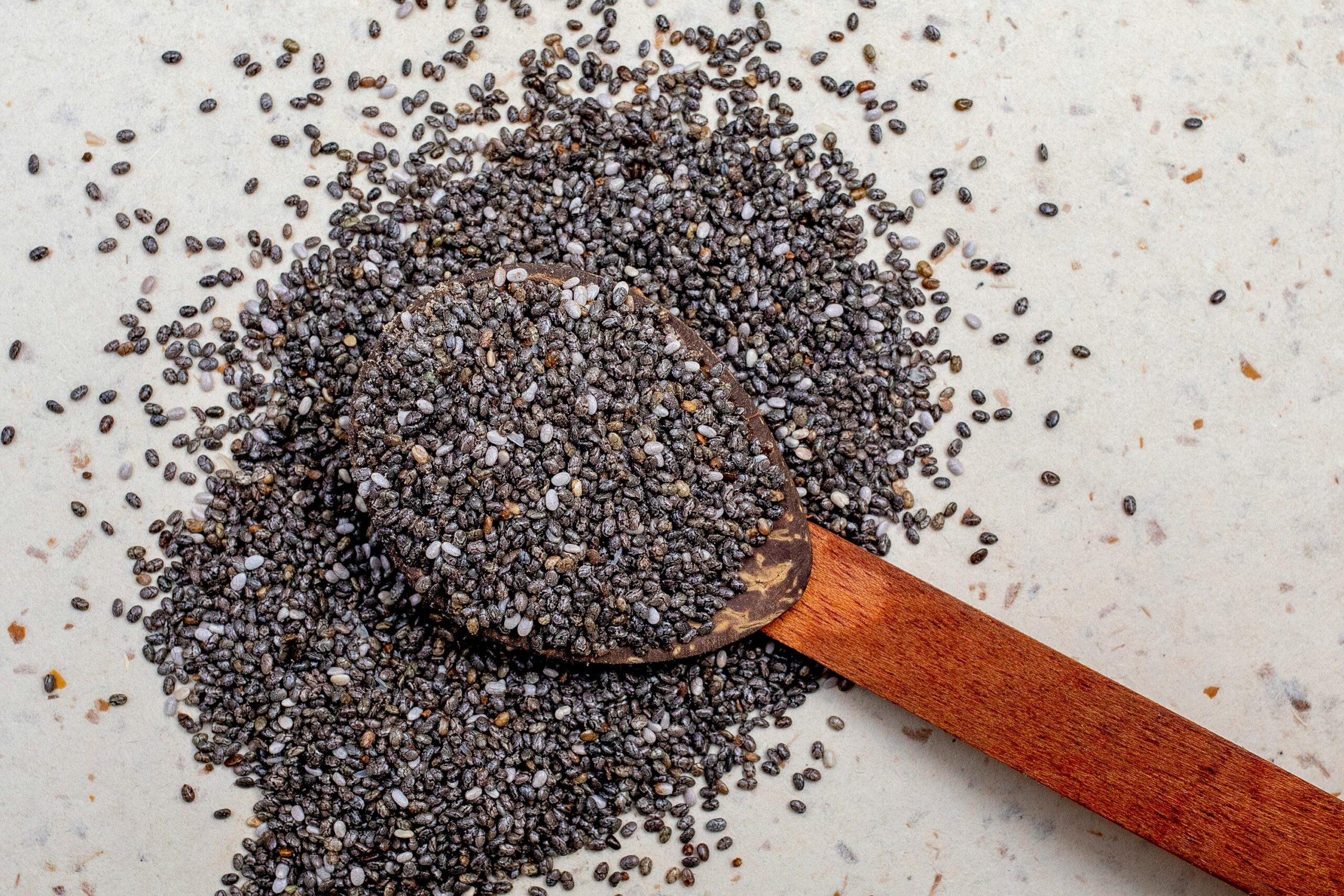
- Chia seeds and ground flaxseed (we add these to smoothies and oatmeal)
- Sweet potatoes, broccoli, and Brussels sprouts
- Avocados (yes, healthy fats AND fiber)
- Berries — raspberries are one of the highest-fiber fruits you can eat
- Oats (steel-cut or rolled, not the instant packets with added sugar)
- Apples and pears with the skins on
Cook Your Vegetables (Sometimes)
This is something I learned from GAPS that stuck with me. Raw vegetables can be harder on a sensitive gut. Cooking breaks down some of the fiber structure and makes it easier to digest while still feeding your microbiome. If raw salads wreck your stomach, try roasting, steaming, or sautéing your vegetables instead. It still counts.
Skip the Gimmick Products
“High fiber” bars, cookies, and cereals are not the answer. Flip the package over. Read the ingredient list. If it’s full of chicory root fiber (inulin), maltodextrin, and artificial sweeteners, it’s a processed product wearing a fiber costume. Get your fiber from food that doesn’t need a nutrition claim on the front of the box.
The Bottom Line
Fibermaxxing isn’t a bad idea — it’s just a bad name. The obsessive, competitive, max-everything framing is classic internet culture. But the underlying message? Eat more fiber from real, whole food sources? That’s something I can get behind.
Going through the GAPS protocol with my boys taught me that gut health isn’t about trends or shortcuts. It’s about consistently feeding your body what it needs to heal and function. Fiber is a huge part of that equation. But it’s not about hitting some magical number on an app. It’s about eating real food, in variety, every single day.
Start where you are, mama. Add one more serving of vegetables to dinner tonight. Throw some chia seeds in your morning smoothie. Swap white rice for brown. You don’t have to “max” anything. You just have to show up and do a little better today than you did yesterday. That’s the real clean living way.
Have you tried any of these fiber-rich swaps? Drop a comment below and tell me your family’s favorite high-fiber meal — I’m always looking for new ideas. And if this post helped you, share it with another mama who could use it.
This article is for informational purposes only and is not intended as medical advice. Always consult with your healthcare provider before starting any supplement, especially for children or if you are pregnant, nursing, or taking medications. The Real Clean Living is not responsible for any actions taken based on the information provided.
Ready to clean up your kitchen, bathroom, and cleaning cabinet — without the overwhelm? Our Clean Living Bundle gives you the cheat sheets and week-by-week guide to swap out the worst offenders at your own pace. No guilt, no perfection required — just real progress. [Get the Bundle]
Real Food. Clean Products. No Confusion.